August 23, 2013

Autism linked to deficiency in healthy gut bacteria: Research

Friday, August 23, 2013 by: Jonathan Benson, staff writer
Tags: autismgut bacteriavaccines


Learn more: http://www.naturalnews.com/041751_autism_gut_bacteria_vaccines.html#ixzz2cnmWHY1O(NaturalNews) Parents and caregivers of autistic children have been saying it for decades, and now the scientific community is finally catching up with reality: gastrointestinal abnormalities are a common marker associated with the diagnosis of an autism spectrum disorder (ASD). And a new study recently published online in the journal, PLoS One, has specifically identified imbalanced and deficient gut flora as a major symptom, and potentially even a primary cause, of autism in many of the children diagnosed with the condition.

Researchers from Arizona State University (ASU) in Tempe came to this conclusion after evaluating several groups of children between the ages of 3 and 16. One of the groups was composed of 20 healthy children, while the other was composed of 20 autistic children. Fecal samples were taken from all the children and analyzed for probiotic, or healthy bacteria, content using a testing process known as pyrosequencing, which uses a special form of synthesis to analyze DNA.

Upon review of the obtained data, the team determined that children in the autistic group generally had a lower diversity of gut microbiomes compared to healthy children in the control group. The autistic children were also lacking in three specific types of gut bacteria responsible for breaking down carbohydrates and fermenting foods to make them digestible and their nutrients assimilable. These two variances in microbial composition shed new light on the physiological nature of what is otherwise a poorly understood condition.

"[We] demonstrated that autism is closely associated with a distinct gut microflora that can be characterized by reduced richness and diversity as well as by altered composition and structure of microbial community," wrote the study team, led by Dr. Rosa Krajmalnik-Brown, Ph.D. "Most notably, we also discovered that the genera PrevotellaCoprococcus, and unclassified Veillonellaceae were significantly reduced in autistic children."

You can view the study in its entirety here:
http://www.plosone.org

Childhood vaccines oftentimes responsible for underlying gastrointestinal damage linked to autism

These findings speak volumes, particularly with regards to observations made by premier gastroenterologist Dr. Andrew Wakefield more than 15 years ago. Though it ultimately cost him his career and reputation at the hands of Big Pharma-controlled governments and media outlets, Dr. Wakefield was one of the first medical professionals to identify a solid link between childhood vaccines and gastrointestinal damage.

Why is this significant? Because vaccine-induced gastrointestinal damage is a primary cause of many of the symptoms associated with ASD. As it turns out, a damaged gut, particularly during a child's developmental years, prevents the proper absorption of nutrients required for healthy neurological development. Forward-thinking scientists and medical professionals are finally connecting the dots and discovering that, in many cases, childhood vaccines are directly responsible for causing the systemic gastrointestinal damage that produces the body of symptoms we now know as autism.

"Vaccines cause the underlying physical conditions that result in the pain, neurological damage, immune system disorders, gastrointestinal damage, and yeast overgrowth -- all of which combine to produce the behavioral symptoms that result in the 'autism' diagnosis," says Marcella Piper-Terry, M.S., Founder of VaxTruth.org. "Vaccines cause gastrointestinal damage ... (which) causes malabsorption of nutrients necessary for proper brain function."

"Malabsorption of essential nutrients causes immune system disorders, seizures, encephalopathy, etc. ... and that's what leads to the ultimate diagnosis of 'autism.'"

In other words, vaccines do not "cause autism." But they sure can cause an array of physiological problems inside the body that eventually lead to an autism diagnosis. Because it can take months or even years for these problems to fully develop in autism, however, vaccines are simply assumed by mainstream medicine to be unrelated to its development, even though all the indicators point to vaccines as the true instigators.

To learn more, be sure to check out VaxTruth.org:
http://vaxtruth.org/

Sources for this article include:

http://www.plosone.org

http://www.medscape.com

http://vaxtruth.org

http://science.naturalnews.com

http://science.naturalnews.com

Learn more: http://www.naturalnews.com/041751_autism_gut_bacteria_vaccines.html#ixzz2cnmQxtiv

August 22, 2013

Amazing Health Benefits of Young Coconut Kefir


Let Us Introduce You: Meet Young Coconut Kefir.

As you start to navigate this new arena of healthy, organic eating, you will continually hear us mention new foods and drinks that you probably have never heard of before. For example, today we are going to discuss the amazing health ben­e­fits of young coconut kefir and why you should be drink­ing it. It is prob­a­ble that many of you do not know what young coconut kefir is. In fact, you’re prob­a­bly ask­ing your­self, “What the heck is young coconut kefir?!?” Well don’t worry. We’re going to fill you in on what young coconut kefir is, in addi­tion to all the won­der­ful ben­e­fits you will reap when con­sum­ing this ever so fab­u­lous health tonic. 
What is Young Coconut Kefir? Before we delve into what young coconut kefir is, we feel it’s impor­tant for you to know what kefir is. Kefir, is a nat­ural pro­bi­otic drink which is full of ben­e­fi­cial bac­te­ria that helps assist in diges­tion, helps sup­port your immune sys­tem and helps keep your gut flora bal­anced. Kefir typ­i­cally is made with a dairy base, usu­ally from goat, cow or sheep’s milk, and is then fer­mented using kefir grains. Dur­ing the fer­men­ta­tion process the sug­ars are con­verted into ben­e­fi­cial pro­bi­otics, cre­at­ing a health tonic that not only will encour­age opti­mal gut health, but also will sup­ply your body with an abun­dance of ben­e­fi­cial nutri­ents and enzymes. Young coconut kefir (also known as yck) is not dairy based and is an ideal alter­na­tive for those who have a hard time with reg­u­lar kefir due to an intol­er­ance to casein (milk pro­tein found in some dairy) or to dairy as a whole.
Made from the juice, or coconut water, of young, green coconuts, yck is dairy and gluten free, is low in sugar, low in calo­ries and is fat free. It is made via the same fer­men­ta­tion process as reg­u­lar milk kefir, except the liq­uid base is dif­fer­ent and you would need to use water kefir grains instead of milk kefir grains. Also boast­ing a potent pro­bi­otic pro­file, like milk kefir, yck has the diges­tive enzymes and other nutri­ents, in addi­tion to the min­er­als and hydrat­ing ben­e­fits that you would get from con­sum­ing reg­u­lar coconut water. Can you say “win-win”??
What are the health ben­e­fits of young coconut kefir? Ok, so now that you know what young coconut kefir is, it’s impor­tant for you to know why we pro­mote this bub­bly pro­bi­otic drink. Below is a list of why you might want to con­sider incor­po­rat­ing young coconut kefir into your daily routine.
  • More potent and nat­ural source of live pro­bi­otics, ver­sus freeze dried
  • Pop­u­lates your entire diges­tive tract, which runs from your mouth to your rectum
  • Nat­ural source of enzymes, vit­a­mins and minerals
  • Aides and improves diges­tion and absorp­tion of vit­a­mins and minerals
  • Has a cleans­ing effect on the endocrine system
  • Has a cleans­ing effect on the liver
  • Helps to bat­tle candida
  • Reduc­tion in sugar cravings
  • Increase in energy
  • Glow­ing skin and healthy hair
  • Immune enhance­ment
  • Improved absorp­tion of nutrients
  • More effi­cient metabolism
With all those rea­sons listed above and with the sim­ple fact that  80% of your immune sys­tem resid­ing in your gut, we hope you will con­sider sup­port­ing your diges­tive tract with a potent and nat­ural source of pro­bi­otics by means of young coconut kefir, or another fer­mented food. In hopes of facil­i­tat­ing that, here’s a young coconut kefir recipe to help you get on your way. Good luck and let us know if you have any ques­tions, com­ment or concerns!
Coconut Water Kefir
Ingre­di­ents:
(1) TBSP water  kefir grains
  • You can buy those here: http://www.culturesforhealth.com/water-kefir-grains.html
(3) Young Thai Coconuts — You will need the coconut water from these. These coconuts have a hard green exte­rior OR a softer white exte­rior, not to be con­fused with the mature coconuts with the brown exterior.
Instruc­tions:
  • Com­bine the water kefir grains and the coconut water in a clean and ster­ile jar – stir lightly with a clean spoon.
  • Seal jar securely with a lid.
  • Let sit for up to 48 hours at room tem­per­a­ture and out of the sun or direct light.
  • Your kefir should be fizzy — (Tip: The longer you leave the more sour it will get.)
  • Strain the kefir grains from the coconut water when it fits your taste.
  • Pre­serve the kefir grains for another batch (keep in a sealed con­tainer in the fridge).
  • Refrig­er­ate in a sealed con­tainer and enjoy, or see below for a sec­ond fer­men­ta­tion phase if you want to add flavors.
Adding fla­vors…
Ingre­di­ents:
Coconut water kefir
1/2 to 1 cup juice of your choice
Instruc­tions:
  • Com­bine the coconut kefir and juice in a jar and again seal with a lid.
  • Let to stand at room tem­per­a­ture for 48 hours.
  • After 48 hours your kefir should be bub­bly, due to the fer­men­ta­tion process.
  • Refrig­er­ate in a sealed con­tainer and enjoy!
Coconut kefir is an absolutely excel­lent source of pro­bi­otics, and is a sta­ple in our ProBal­ance 7 Day Cleanse that’s designed to cure can­dida, help you detox­ify your body, lose weight, increase energy, boost your immune sys­tem, and much more.
Find out more about our cleanse at www.ProbioticCleansingDiet.com.

The healing power of coconut kefir

Thursday, August 22, 2013 by: Derek Henry
Tags: coconut kefirhealth benefitsfermented beverages


Learn more: http://www.naturalnews.com/041722_coconut_kefir_health_benefits_fermented_beverages.html#ixzz2ciYZTFm8(NaturalNews) There was nothing sexy about probiotic beverages until the last few years during which kombucha has risen up and claimed to be the king of all 'probiotic pops'. The kombucha craze has created a new awareness for fermented drinks, but the title for the most healing and beneficial probiotic beverage could quite possibly belong to coconut kefir. It's time to take a closer look into this not so well known body elixir.

What is coconut kefir?

Coconut kefir is quite simply fermented coconut water. Typically, fermented drinks are recognized as dairy (milk kefir) and tea (kombucha) beverages, and not as much recognition has been given to coconut kefir. This may prove to be a mistake, due to the fact that coconut kefir eliminates the often problematic ingredients of dairy and certain teas for some people's digestive systems while still allowing you to take in a highly beneficial probiotic beverage.

What are the benefits of coconut kefir?

The benefits of coconut kefir are comprehensive, but, from a high level view, this probiotic beverage is very healing to the digestive system and the liver and creates a strong immune system that is ultimately responsible for your good health.

In your digestive system, coconut kefir will enhance hydration and recolonize your gut and mucous membranes with healthy strains of beneficial microflora. Coconut kefir is superior, as it promotes a wide variety of microflora and has been said to have a much more potent effect on the digestive system than any yogurt.

Kefir also contains beneficial yeasts that are known to hunt out and destroy pathogenic yeasts in the body. These beneficial yeasts are considered the best defense against dangerous yeast organisms like candida. They clean, purify and strengthen the intestinal walls and help the body become more efficient in resisting dangerous pathogens such as E. Coli, salmonella and intestinal parasites.

Since we have ten times more bacteria in our body than cells, creating an optimal environment for bacterial balance is paramount. Poor bacterial balance can cause blood sugar imbalances, sugar cravings, weight gain, poor immunity, low energy and digestive disturbances. Kefir helps heal all of these problems by restoring balance to the microflora of the body. It also helps assimilate nutrients in the gut and enhance the usage of certain trace minerals and B vitamins.

Kefir's excellent nutritional content offers healing and health benefits to people regardless of condition. The regular use of it can help relieve intestinal disorders, promote bowel movement, cleanse the endocrine system, reduce flatulence and create a healthier digestive system.

How do you work it into your daily routine?

The simplest ways to consume coconut kefir is through a shot or added to your smoothie first thing in the morning. You can also add it to other beverages, like unsweetened cranberry juice, and add a touch of stevia to sweeten if you wish. This creates a nice 1-2 combo for your liver and kidneys.

If you are new to coconut kefir, 2 to 4 ounces a day is a good start. Some people take it first thing in the morning to wake themselves and their digestive systems up and before bed when the friendly bacteria often do their best work. Others drink it before each meal for optimal digestion. There is really no bad time to take it, but the benefits will be enhanced for you if taken during one of these times -- or all of them!

So go ahead and craft your kefir (there are many recipes online), and enjoy all the benefits it has to offer.

Sources for this article include:

http://www.trueearthmama.com

http://www.probioticcleansingdiet.com

About the author:
Motivated by his own story of being sick and crippled at age 30 to healthy and pain free 5 years later, Derek is passionate about helping people get on track in a fraction of the time it took him on his own journey. Actively engaged in the research of natural healing for over 5 years, Derek has spent over 2500 hours (and growing) studying and collaborating with top minds in nutrition and utilizes that extensive knowledge to help people overcome their own health challenges. 

Derek is currently a Master Health Coach and writer of over 200 natural health articles, some of which are featured at his primary website, http://healingthebody.ca/. Derek specializes in specific nutritional and wellness protocols, from simple lifestyle transitions to complete overhauls.

Learn more: http://www.naturalnews.com/041722_coconut_kefir_health_benefits_fermented_beverages.html#ixzz2ciYUrTpj

August 21, 2013

Make Your Own Soda Pop

by AMANDA on APRIL 24, 2013
Post image for Make Your Own Soda Pop
We all know water is the healthiest beverage, but sometimes it’s nice to change things up a bit. Most people reach for soda to break the monotony, despite it being chemical-laden, habit-forming, and made primarily from high fructose corn syrup. It’s time to go homemade! Soda’s sweet and fizzy appeal may be hard to replicate, but this homemade cola syrup comes pretty close. Pepsi wishes it tasted this good!
Homemade cola syrup has a delightfully complex flavor with the perfect combination of sweet, spicy, floral and tart. Stirred into a tall glass of seltzer and ice, it feels like a gourmet treat. Add a lemon wedge for a special twist and invite your friends over after you tell them you can make your own soda pop!
cola syrup-002
Homemade Soda Pop
Makes about 3 cups of syrup
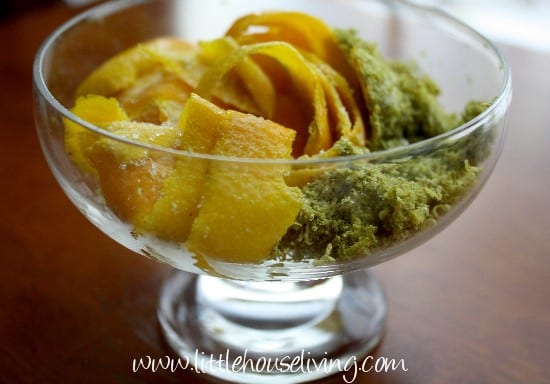
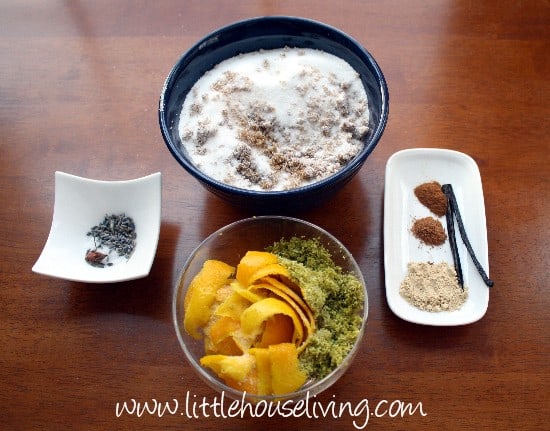
  • Grated zest of 3 large lemons
  • 1/4 teaspoon ground cinnamon
  • 1/4 teaspoon ground nutmeg
  • 3 sections of a star anise pod, crushed
  • 1 teaspoon dried lavender flowers
  • 4 teaspoons minced ginger
  • 1 vanilla bean, split
  • 1/4 teaspoon citric acid
  • 2 cups granulated sugar
  • 3 tablespoons (packed) brown sugar
cola syrup
Combine all ingredients except the sugars in a large saucepan. Add 2 cups of water. Bring the mixture to a boil, then reduce the heat to low, cover, and let simmer for 20 minutes.
cola syrup-001
Remove from heat and strain out the solids using a double layer of cheese cloth or a coffee filter. Rinse out the saucepan and discard the solids. Return the liquid to the pan and set over low heat.
Add the sugars to the saucepan with the liquid and stir until completely dissolved.
Remove from heat and let the syrup cool, then transfer to your desired containers and keep refrigerated.
To make soda:
Combine 1 tablespoon syrup with 1 cup of seltzer or club soda. Serve over ice.
Have you ever tried to make your own soda pop?

Homemade Soda Recipes for 5 Classic Flavors


Photo: Armstrong Studios/Getty Images
It's easy to understand why soda is such a guilty pleasure: cold, fizzy, and sweet, it's a treat like no other. However, soda is usually filled with chemicals, preservatives, crazy high levels of sweeteners (and let's not even get into all those plastic bottles).
What about making your own soda? It isn't as hard as it sounds -- or at least, it doesn't have to be. You can start from scratch with complicated recipes that rely on yeast to ferment and carbonate the drink, or you can add simple syrups to sugar-free club soda to control your nutrition.
Read on for tips on making all your favorites, from cola and root beer to ginger ale and lemon-lime.

1. Root Beer

Since you can buy root beer extract, making your own doesn't have to be as complicated: One version from McCormick requires little more than boiling water, stirring in sugar, dissolving the concentrate in the syrup, and mixing it with club soda.
The company also offers directions for a more traditional brewed root beer, which takes a little longer: You'll combine root beer extract and sugar; mix yeast with boiling water and add it to the syrup, and then allow the mixture to ferment for about four days.

2. Cola

Photo: Stockbyte/Thinkstock
You won't be able to track down the exact flavor combinations that go into Coca-Cola, but as Lifehacker points out, you can come pretty close with this how-to from Unusual Food Handler.
Start by collecting seven essential oils (food-grade, of course) -- orange, lime, lemon, cassia, nutmeg, coriander, lavender -- and with just a few drops (and some other ingredients, like gum arabic, vodka, and water) you can make more than 50 liters of the finished product.

3. Ginger Ale

Photo: Chris Collins/Corbis
Whether you're trying to settle an upset stomach or just want to give your mom's famous bridal shower punch some homemade flare, Alton Brown's recipe for ginger ale from the Food Network is just the right blend of sweet-with-a-kick.
Start by mixing fresh ginger, sugar, and water in a saucepan, and after the sugar has dissolved, let the mixture steep for an hour. Then strain it, chill it, and add it to your 2-liter bottle with water, yeast, and lemon juice. Wait two days to let the carbonation form, and then store in the refrigerator.

4. Tonic

Photo: iStockphoto/Thinkstock
According to the BBC, British residents living in India invented gin and tonics to mask the taste of quinine -- a tonic ingredient that tastes terrible but helped them fight malaria.
If you want to make your own tonic, says Imbibe magazine, you'll need quinine -- also known as powdered cinchona bark, which you can get from herbal stores -- plus water, sugar, powdered citric acid, limes, and lemongrass.
This recipe makes a tonic that's less sweet than most commercial versions, so you can adjust to your taste.

5. Lime

Photo: iStockphoto/Thinkstock
The Food Network's Sunny Anderson put together this simple recipe for lime soda: It starts with sugar dissolved in water, and then uses lime rinds, lime juice, and food coloring for a bright, summery, and flavorful soda finished with seltzer and fresh lime slices. (Try adding a few drops of lemon juice for an at-home take on your favorite lemon-lime blend.)
Tags: Drinks | Recipes

August 14, 2013

Candida & Leaky Gut..Need Probiotics?


image                     

What is Candida?

It’s definitely not something we learned about in nursing school. Some might think of the dreaded vaginal yeast infection…something I thankfully have never experienced. It turns out we ALL have yeast, some just more so than others. Antibiotics, birth control, stress, excess alcohol, and non steroidal ant inflammatory drugs NSAIDS,  are a few things that can lead to a candida overgrowth. I had my fair share of each of these, but the antibiotics for lyme disease pushed me over the edge. When overproduced candida breaks down the walls of the intestines and penetrates into the bloodstream, releasing toxic byproducts into your body and causes leaky gut. A leaky gut is literally just like it sounds, the tiny holes in our intestines enlarge and undigested food, bacteria, and waste pass through. This sends our immune system into attack and food sensitives and autoimmune diseases can begin.

Common Candida Symptoms

  • Skin and nail fungal infections, athlete’s foot, toenail fungus
  • Feeling tired and worn down, chronic fatigue or fibromyalgia
  • Digestive issues such as bloating, constipation, diarrhea, foul smelling gas
  • Autoimmune disease such as Hashimoto’s thyroiditis, Rheumatoid arthritis, Ulcerative colitis, Lupus, Psoriasis, Scleroderma, Multiple sclerosis
  • Difficulty concentrating, poor memory, lack of focus, ADD, ADHD, brain fog
  • Skin issues such as eczema, psoriasis, hives, rashes, acne, sweating, cradle cap
  • Irritability, mood swings, anxiety, depression
  • Vaginal infections, urinary tract infections, rectal/vaginal itching
  • Allergies, itchy ears, popping ears, or feeling underwater/stopped up
  • Strong sugar and refined carbohydrate cravings
I found several people online who cured cystic acne with the candida diet and decided to give it a try. Since candida thrives on sugar, eliminating all forms is a must which meant my favorite candy, desserts, alcohol, and fruits were out. Also anything inflammatory or genetically modified since these can damage your already inflamed intestines, so corn, soy, gluten, nuts, and rice were eliminated as well. I know it sounds radical, but within a week and a half I was improving! But as the candida started to die off hundreds of toxic byproducts were dumped into my bloodstream. The liver is the number one organ that processes these toxins with the skin being number two. It made sense that my skin was riddled with inflammation considering what my liver had already been through processing years of antibiotics, aluminum deodorant, fluoridated water & toothpaste, and GMO foods. Eventually as my liver healed with the help of milk thistle more and more symptoms dissapeared. When I stopped giving into the sugar cravings and essentially starved the fungus out the toxins were no longer poisoning my body. My intestines began to heal and I started absorbing my vitamins and nutrients.

After a year of switching to organic food, detoxing, and taking herbs/supplements/and probiotics I feel better than I have in at least ten years.

One supplement I still take is caprylic acid which comes from coconut oil and basically “pokes holes” in the yeast cell wall, causing it to die. Once you clear out the overgrowth and allow the intestines to heal it’s a must to restore the healthy bacteria that typically keep your candida population under control by taking probiotics daily. Taking anywhere from 25 to 100 billion units of probiotics should help to restore your levels of good bacteria and prevent an overgrowth in the future. I took probiotics everyday during lyme disease treatment, but it clearly wasn’t enough. Kefir, Kombucha, & Homemade Sauerkraut are a few other ways to increase your good bacteria.

If you decide to give it a try, just remember since candida feeds on sugar, you will have INTENSE cravings. If you give in, you feel great initially, crash later, and the vicious cycle will start again. If you can stick with it long enough you’ll beat the candida and the cravings and you’ll start to feel sorry for all the addicted shoppers at your local grocery store.
You are stronger than your fungus’s cravings. Do not give in. You can’t be a fun guy with fungi.

Emily Smith RN-BSN
Holisitic Health Coach
Organicholistichealth.wordpress.com

If you want to stay healthy, avoid all these refined foods

These are all "foods of disease" that gave rise to the modern era of Big Pharma, degenerative disease and the for-profit cancer industry:


• White sugar
• White bread
• White salt
• White tortillas
• Snack chips
• Processed meats
• Homogenized, pasteurized dairy
• Sodas, sports drinks and energy drinks
• Fake juices made mostly with sugar
• Cake, candy, ice cream and sweets